Payment Apps
Apps are part of many of our daily activities today, and handling electronic payments is no exception. Every day, more companies build safer infrastructure to make transactions from the comfort and convenience of mobile devices, and launch new platforms so that independent merchants, organizations of any size that take part in the electronic financial ecosystem (and, in general, any user) gradually adopt them as a standard payment method.
Apps are part of many of our daily activities today, and handling electronic payments is no exception. Every day, more companies build safer infrastructure to make transactions from the comfort and convenience of mobile devices, and launch new platforms so that independent merchants, organizations of any size that take part in the electronic financial ecosystem (and, in general, any user) gradually adopt them as a standard payment method.
What are the benefits of using a payment app?
There are many benefits to using these apps. These are the most notable:
1. For the buyer, every transaction is fast and transparent, and there’s no need to use cash.
2. For providers of products and services, it promotes financial inclusion, encourages competition, increases sales (some say by up to 30%) and makes it easier to balance their finances.
There are different types of payment apps:
Card reader payments
The main feature of these apps is an external reader that reads debit and credit card information. This external device is sold separately and connects to the app via Bluetooth. They’re mostly used by businesses that need to accept bank card payments but don’t want to use a bank terminal, or want better integration with their point of sale.
Some examples of this type of app:
Sr. Pago
Developed by Pixzelle Studio, this app lets you charge credit and debit cards. It supports different types of readers and offers interest-free monthly installments for 3, 6, 9 and up to 12 months. The fee per transaction is 3.5% + VAT.
QR code payments
These apps have a built-in QR code reader and can be used from any smartphone, whatever its range; all you need is a camera that can scan the code. One of the big benefits is how fast the payment is, since it takes no more than a couple of minutes.
Some examples of this type of app:
CoDi
A platform developed by Banco de México (Mexico’s central bank) that lets you link bank accounts and make transfers through SPEI, Mexico’s interbank payment system. CoDi’s biggest advantage is that it’s backed by a government institution and can be used by practically every merchant and buyer with a smartphone. It’s free and charges no fees.
Mercado Libre
The Mercado Libre and Mercado Pago apps offer the option to pay with QR codes. It works very simply: from your Mercado Pago account you choose to pay with QR, and when you scan the store’s QR code, the payment goes through automatically. There’s no fee per transaction. To use this option, your Mercado Pago account needs to be set up to receive and make payments.
T-pago
This payment model is being adopted mainly by small informal businesses that need a payment option besides cash so they don’t lose potential customers. Since it’s aimed at the informal sector, an RFC (Mexican tax ID) isn’t required.
NFC payments
NFC (Near Field Communication) technology hasn’t been widely used in Mexico yet, but it offers a very interesting alternative. Its biggest advantage is that it creates a contactless connection between buyer and seller, meaning no physical contact or card is needed to complete the transaction. Another advantage is how fast it sends and receives data, which is almost instant.
We can find this technology in banking around the world, where institutions like Santander and BBVA have developed their own apps to pay via NFC with a mobile phone.
https://sumup.com/blog/accepting-nfc-payments/
Today, some development companies are entering countries like the United States and Europe with these new technologies, with the main goal of bringing them to Mexico soon.
Some examples of this type of app:
Google Pay
This payment service is cross-platform, meaning it can be used on both iOS and Android smartphones. To use Google Pay, you need a Google account linked to one or more debit or credit cards, which can be the same one you use to pay for Google services.
Apple Pay
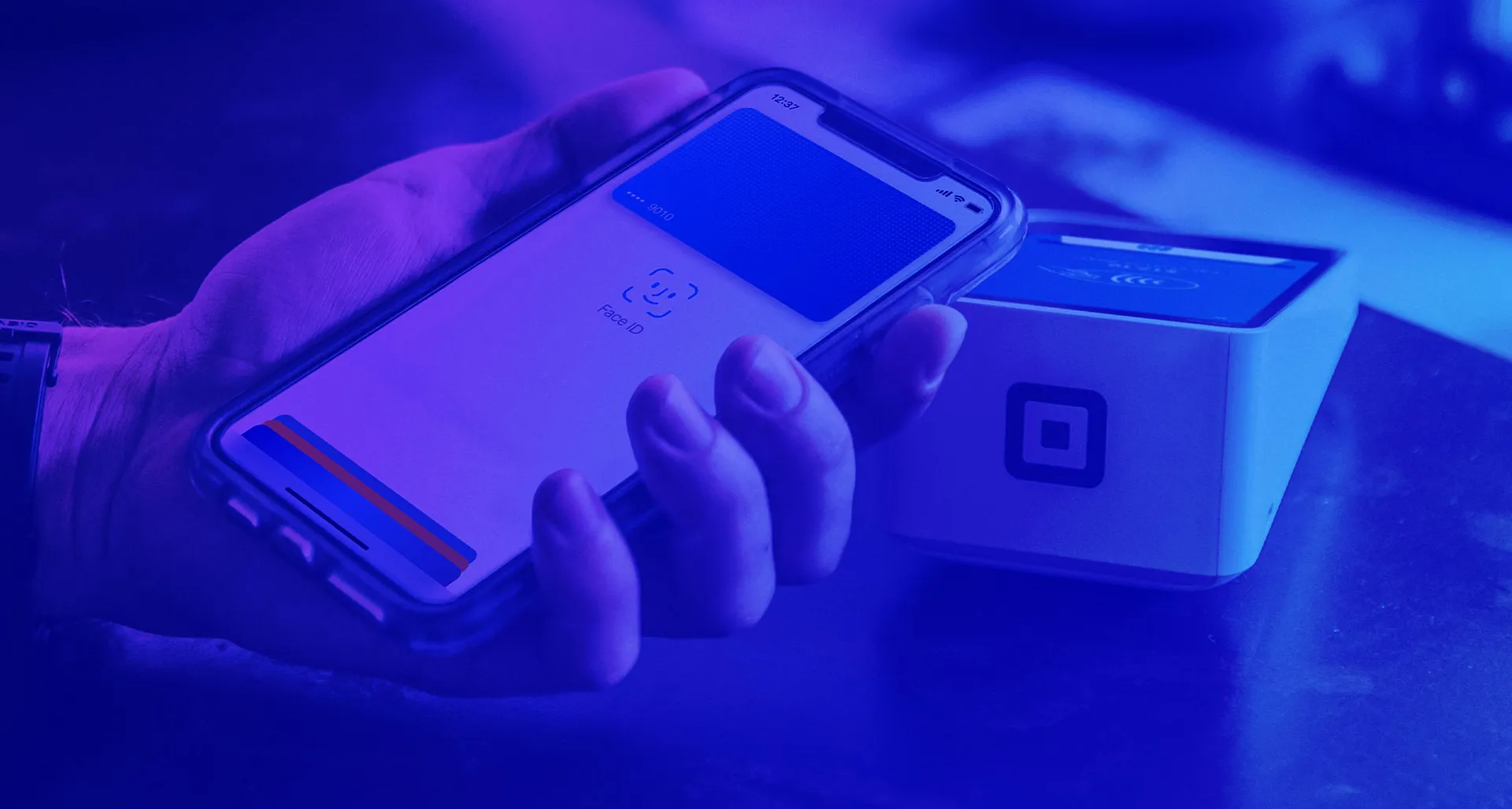
It works through the Apple Pay app or in apps that integrate this technology. To use it, you need a registered Apple account linked to one or more debit or credit cards, which can be the same one you use to sign in to iCloud. It can only be used on Apple devices (iPhone, iPad and Apple Watch).
Besides paying in stores and businesses that support NFC, you can make payments in third-party apps that integrate this feature. It can also be used to pay on websites.
One of the advantages of this tool is that it brings all your payments together in a single account and uses biometric recognition (like your fingerprint or Face ID) to authenticate the user.
Samsung Pay
Since 2018, it’s been one of the NFC payment services actively working in Mexico. It’s a digital wallet for making payments from Samsung Galaxy phones. As with the other payment services, you need an account and to add debit and/or credit cards to pay. Like Apple Pay, it can use biometric recognition to authenticate the user.
As you can see, the field of digital payment apps is still developing, and it’s a great payment alternative to include in your projects, increase sales, build customer loyalty and, on a personal level, make your own payments faster when you hire services or buy products.
At Pixzelle we have expert developers in the latest technologies, and we can start building your payment app today.
Do you have another idea?
It’s the perfect time to start your new project and build it with the best experts. Get a quote with us!
Yessica Miguel
More articles by Yessica